Developing people, leaders and organisations.
Most of my work sits in one of these three areas.
Sometimes the issue is personal. Sometimes it is leadership. Sometimes it is the organisation itself.
My work is about understanding what is getting in the way, deciding what needs to change, and helping make that change happen.
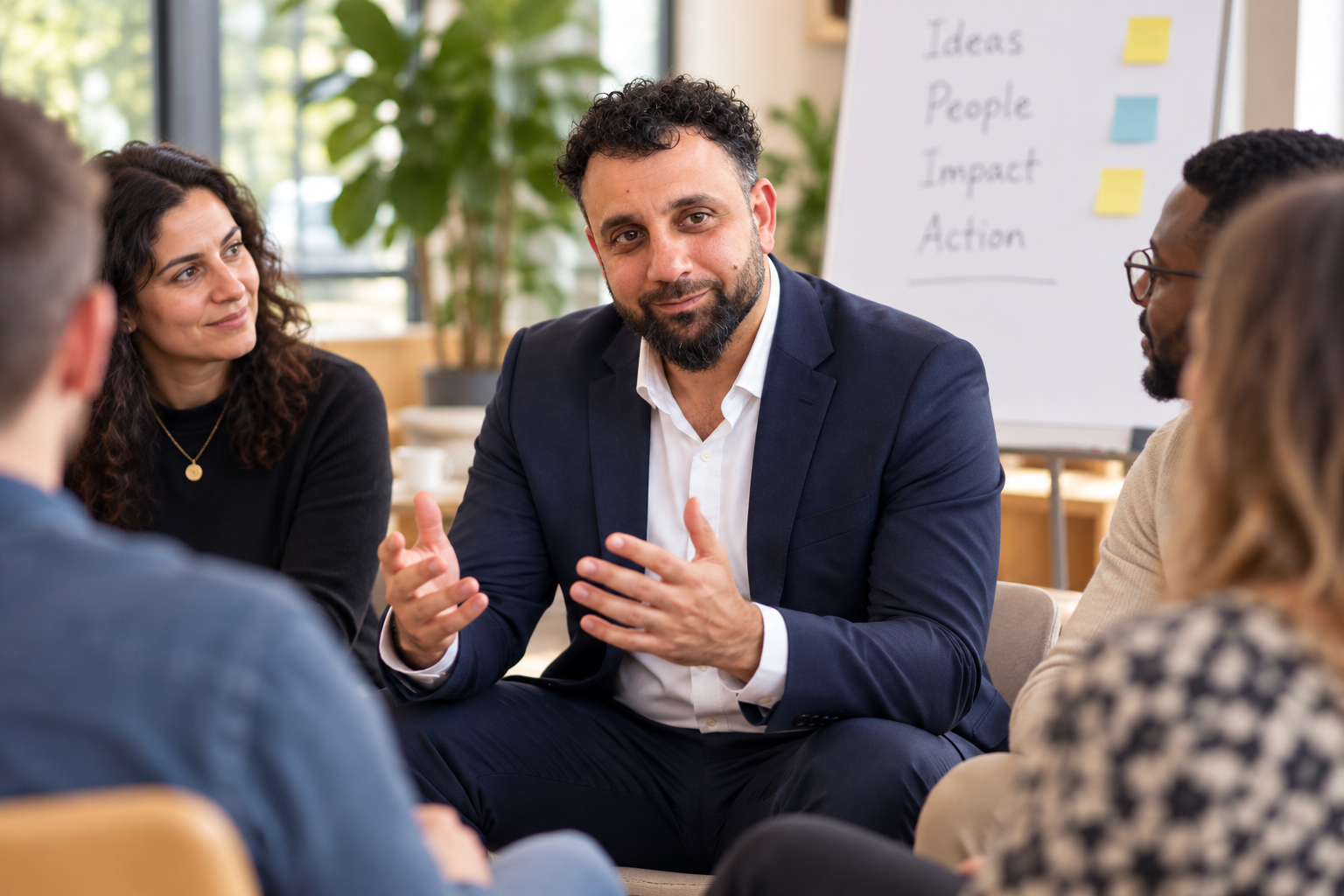
Develop people
A person can learn business, technology or professional skills and still feel stuck. Sometimes the real issue is deeper.
They may lack direction, confidence, self-awareness, good judgement, communication skills or clarity about who they want to become.
My personal development work is designed to help people understand themselves better, identify what may be holding them back and deliberately work on the areas that matter.
Areas may include
- purpose and direction
- identity and self-awareness
- values and beliefs
- confidence
- communication
- decision-making
- relationships
- responsibility
- habits and behaviour
- personal growth
The aim is not simply to motivate people. It is to help them become clearer, stronger and more capable.
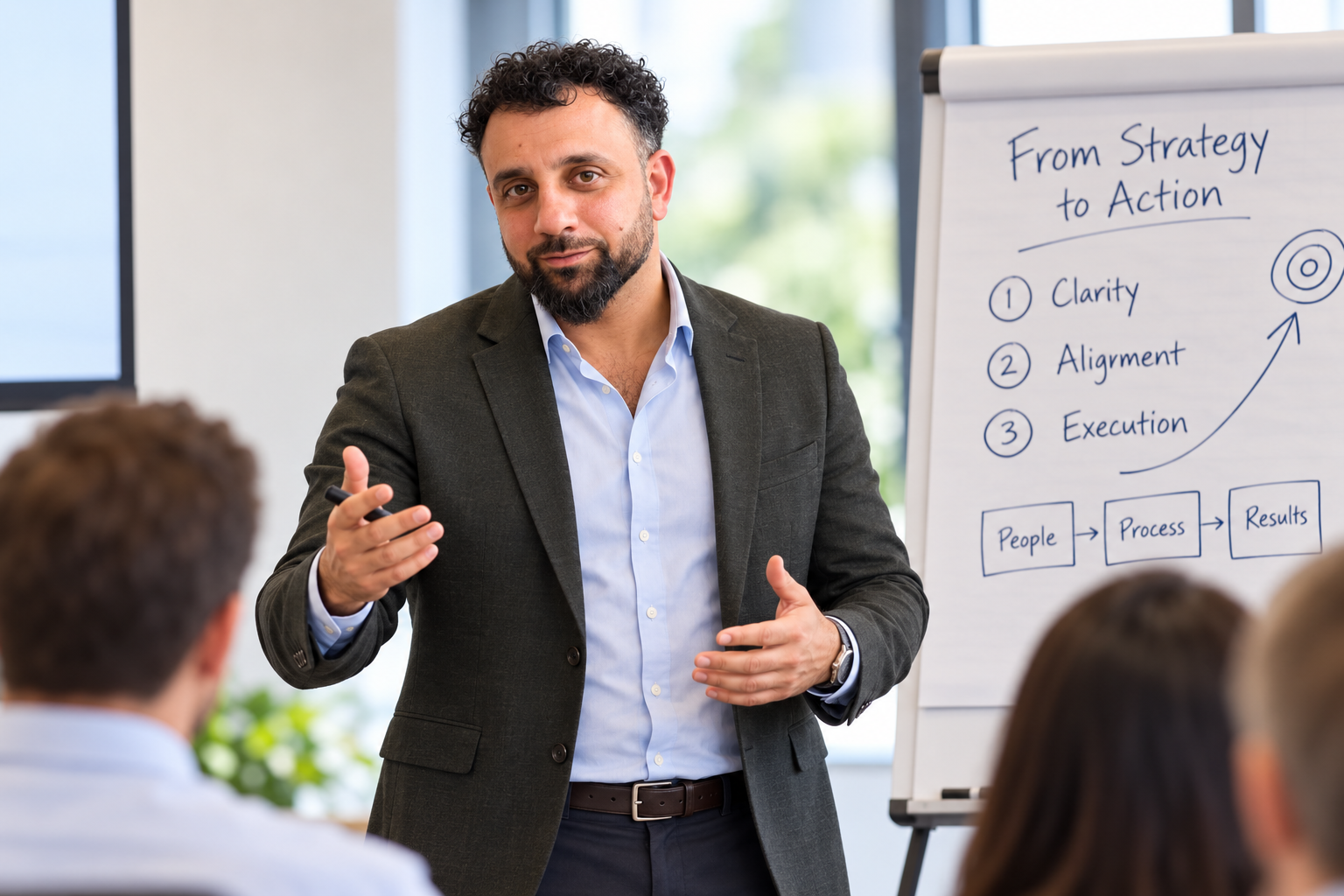
Develop leaders
Leadership is more than having a title.
Good leaders need to understand themselves, understand people, make sound decisions, communicate clearly, take responsibility and turn ideas into action.
My leadership work focuses on developing those capabilities.
Areas may include
- self-awareness
- understanding people
- judgement
- decision-making
- communication
- influence
- responsibility
- execution
- developing others
This can be used with emerging leaders, managers, volunteers, community leaders and people preparing to take on greater responsibility.

Develop organisations
Sometimes good people are working inside weak systems.
A business or organisation may be growing, but the strategy, processes, communication or technology underneath it has not kept up.
I work with organisations to understand what is actually holding them back and what needs to change.
Areas may include
- strategy
- sales
- marketing
- people
- customer communication
- digital systems
- CRM
- automation
- AI
- management visibility
The aim is not to add more tools for the sake of it. It is to build an organisation that works better.

Programmes and workshops
I work through structured programmes, workshops and facilitated sessions rather than simply giving motivational talks.
The 7 Levels of Development
A structured programme helping people understand where they are, where they want to go and what needs to change.
Developing capable, responsible men
Work around identity, direction, communication, responsibility, relationships and leadership.
Developing people who can lead
Practical development around judgement, people, communication, influence and execution.
Understanding what is getting in the way
Facilitated work with leadership teams to identify problems, agree what needs to change and build a clearer way forward.
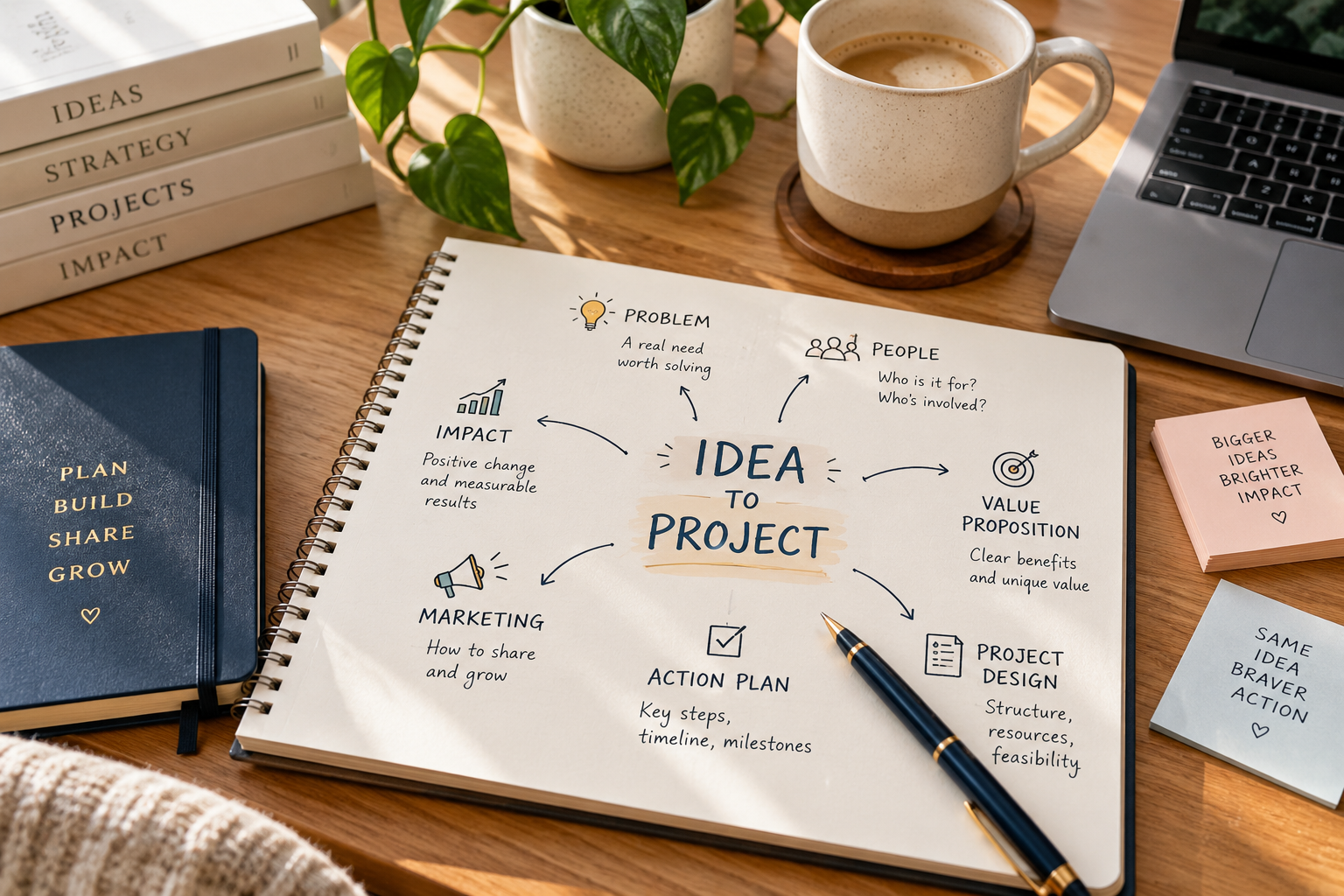
Idea to Project
Turning ideas into practical, workable projects.
A structured programme that takes participants from identifying a real problem through value proposition, project design, marketing and action planning.
I delivered the programme as a weekend retreat to around 60 participants, with several going on to develop and launch projects of their own.
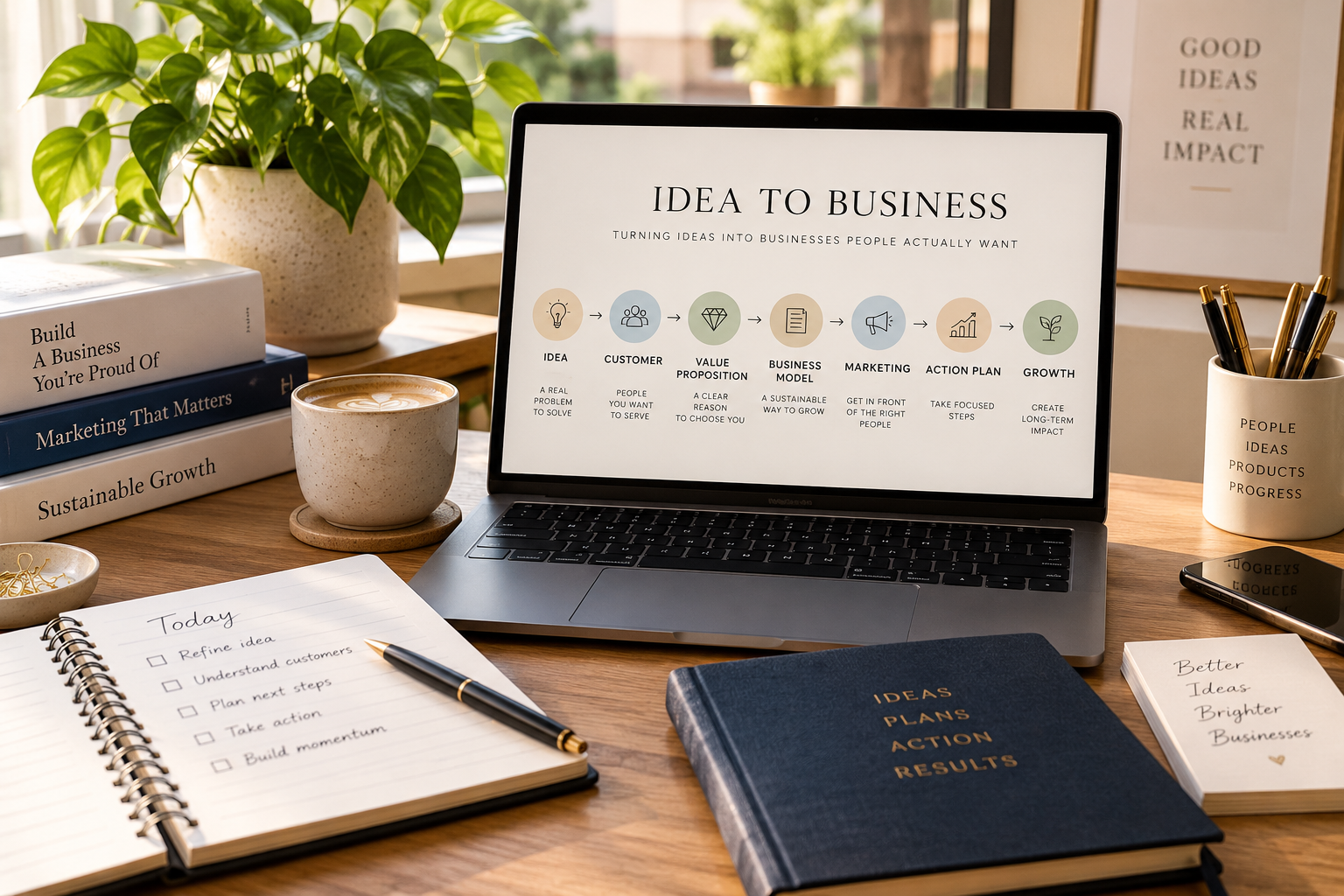
Idea to Business
Turning an idea into a business people actually want.
A practical entrepreneurship programme covering the journey from understanding the customer and defining the value proposition through to the business model, marketing and action plan.
Designed so participants leave with something they have actually worked through, rather than simply listening to business theory.
Where Kaybox fits in
Kaybox is the commercial side of my work.
It is where I apply strategy, systems, marketing, sales, AI and technology to business and organisational problems.
If the challenge is primarily about how a business operates, attracts customers, manages leads, communicates or uses technology, the work will usually sit through Kaybox.
How I tend to approach problems
I usually start by trying to understand the reality before jumping to the solution.
The questions are often simple:
- What is happening now?
- What should be happening?
- What is getting in the way?
- What needs to change?
- Who needs to develop?
- What should we do next?
The answer might be training. It might be a better system. It might be clearer strategy. Or it might be something completely different.
The important thing is to diagnose the real problem first.
Have something you are trying to improve?
If you are trying to develop people, improve leadership or solve an organisational problem, get in touch.